
Default
Where to source white t shirts bulk for printing?
Cross-border e-commerce B2B platforms offer a vast amount of bulk resources of white T shirts. Data from Alibaba International Station shows that among over 62,000 clothing suppliers, factories specializing in printing substrates account for 31%. For orders with a minimum order quantity of 500 pieces, the base price quote can be reduced to RMB 9.8 per piece (compared to 24 yuan at the retail end), and the logistics cost per batch can be saved by 40% through full container transportation. Printful, a global printing service provider, achieved 72-hour delivery to US customers by integrating the resources of 200 Chinese factories. Its financial report shows that the bulk procurement cost of white T shirts accounts for only 28% of its revenue, significantly lower than the industry average of 45%. The platform screening tool supports precise filtration by gram weight (160-220g/㎡ with an error of ±5%) and cotton-polyester ratio (100% cotton or CVC 60/40), reducing the cost of sample delivery by up to 67%.
The procurement of industrial belt clusters has achieved deep cost reduction and efficiency improvement. The national cotton knitting industrial cluster in Shaoxing Keqiao produces over 1.2 billion white T shirts annually. Local procurement, eliminating the price increase by middlemen, can further reduce costs by 15%. On-site factory inspection revealed that the production line equipped with fully automatic cutting machines has a daily processing capacity of 24,000 pieces, and the standard deviation of sewing accuracy is controlled within 0.35mm (conforming to the GJB military standard for clothing). The monitoring of Zhongda Cloth Market in Guangzhou in 2023 shows that the inventory turnover speed of white T shirts bulk spot has increased to 5.2 times per month, shortening the inventory preparation cycle by 7 days compared with purchasing from other places. Shenzhou International, a representative enterprise in the fast response supply chain, is a contract manufacturer for Uniqlo. From order receiving to finished product export, the entire process is compressed to 15 days, and the fabric defect rate is less than two per thousand.
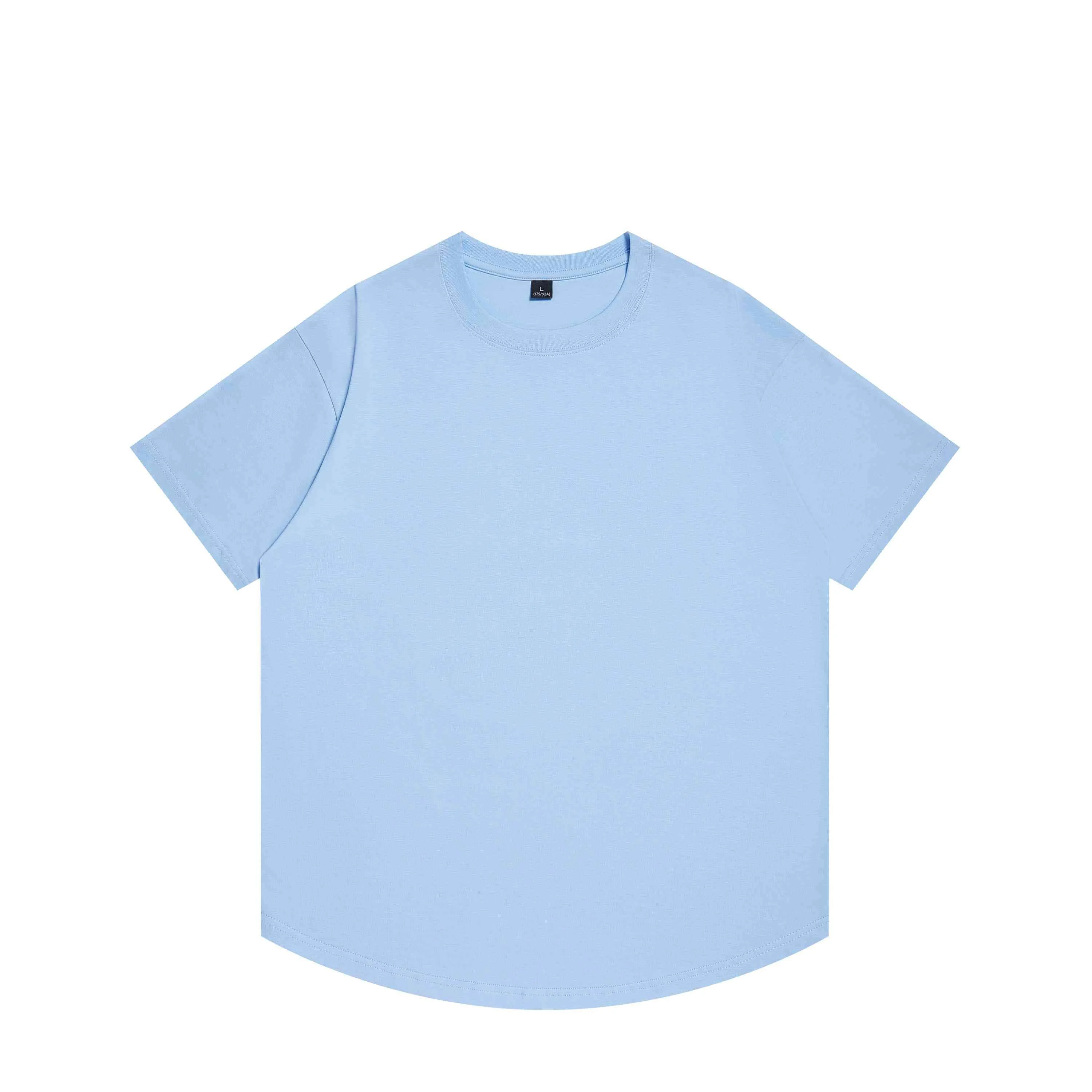 Professional printing substrate manufacturers have technical barriers and cooperate with white T shirts bulk suppliers holding FZG Level 3 anti-pilling certification to ensure no cracking after more than 50 washes after printing. Chemical parameters must be clear: pH value 7.0±0.5, free formaldehyde ≤20mg/kg (stricter than the national standard of 75mg/kg). The American brand Bella+Canvas, with its patented cotton material, has increased ink absorption efficiency by 32%, and the print sharpness reaches the 600dpi level. The report from the international testing organization SGS confirmed that pre-treating the base fabric with a cotton fiber fuzz index lower than 3.5mm can enhance the adhesion of heat transfer printing by 27% and reduce the defective rate of printing to less than 1%.
Flexible supply chain services respond to fragmented demands. Small-batch digital printing service providers generally accept orders starting from 300 pieces. The efficiency of using Kornit Atlas Max industrial printers reaches 400 pieces per hour, which is 650% faster than the traditional mode. The distributed manufacturing model of the Los Angeles startup TeePublic supports processing an average of 23,000 white T shirts bulk orders per day. The system automatically distributes the orders to the nearest collaborative factory, reducing the average transportation distance to 280 kilometers and carbon emissions by 41% (CarbonChain audit data). The cost structure shows that the unit price of 200 digital direct printing orders has dropped to 14.5 yuan, which is only 53% of the average market price in 2019.
Sustainable development drives source selection. The white T shirts bulk made from GRS-certified recycled cotton saves 22.3 liters of water per piece and reduces the carbon footprint of the entire process by 1.8kg CO2e (compared with traditional cotton T-shirts). According to statistics from global environmental protection organizations, the use of Bluesign® -certified factory's grey cloth reduces chemical hazards by 89%, and the premium of end products can reach 25%. A typical case is H&M's Conscious series. By collaborating with Turkish manufacturers on recycled cotton blended fabrics, the material cost dropped by 18% within three years and the customer repurchase rate increased by 34%. The EU's Carbon Border Adjustment Mechanism (CBAM) has calculated that factories that meet the EPD certification enjoy an export tariff advantage of 7.3%, saving over 480,000 euros in compliance costs annually.
Professional printing substrate manufacturers have technical barriers and cooperate with white T shirts bulk suppliers holding FZG Level 3 anti-pilling certification to ensure no cracking after more than 50 washes after printing. Chemical parameters must be clear: pH value 7.0±0.5, free formaldehyde ≤20mg/kg (stricter than the national standard of 75mg/kg). The American brand Bella+Canvas, with its patented cotton material, has increased ink absorption efficiency by 32%, and the print sharpness reaches the 600dpi level. The report from the international testing organization SGS confirmed that pre-treating the base fabric with a cotton fiber fuzz index lower than 3.5mm can enhance the adhesion of heat transfer printing by 27% and reduce the defective rate of printing to less than 1%.
Flexible supply chain services respond to fragmented demands. Small-batch digital printing service providers generally accept orders starting from 300 pieces. The efficiency of using Kornit Atlas Max industrial printers reaches 400 pieces per hour, which is 650% faster than the traditional mode. The distributed manufacturing model of the Los Angeles startup TeePublic supports processing an average of 23,000 white T shirts bulk orders per day. The system automatically distributes the orders to the nearest collaborative factory, reducing the average transportation distance to 280 kilometers and carbon emissions by 41% (CarbonChain audit data). The cost structure shows that the unit price of 200 digital direct printing orders has dropped to 14.5 yuan, which is only 53% of the average market price in 2019.
Sustainable development drives source selection. The white T shirts bulk made from GRS-certified recycled cotton saves 22.3 liters of water per piece and reduces the carbon footprint of the entire process by 1.8kg CO2e (compared with traditional cotton T-shirts). According to statistics from global environmental protection organizations, the use of Bluesign® -certified factory's grey cloth reduces chemical hazards by 89%, and the premium of end products can reach 25%. A typical case is H&M's Conscious series. By collaborating with Turkish manufacturers on recycled cotton blended fabrics, the material cost dropped by 18% within three years and the customer repurchase rate increased by 34%. The EU's Carbon Border Adjustment Mechanism (CBAM) has calculated that factories that meet the EPD certification enjoy an export tariff advantage of 7.3%, saving over 480,000 euros in compliance costs annually.
Professional printing substrate manufacturers have technical barriers and cooperate with white T shirts bulk suppliers holding FZG Level 3 anti-pilling certification to ensure no cracking after more than 50 washes after printing. Chemical parameters must be clear: pH value 7.0±0.5, free formaldehyde ≤20mg/kg (stricter than the national standard of 75mg/kg). The American brand Bella+Canvas, with its patented cotton material, has increased ink absorption efficiency by 32%, and the print sharpness reaches the 600dpi level. The report from the international testing organization SGS confirmed that pre-treating the base fabric with a cotton fiber fuzz index lower than 3.5mm can enhance the adhesion of heat transfer printing by 27% and reduce the defective rate of printing to less than 1%.
Flexible supply chain services respond to fragmented demands. Small-batch digital printing service providers generally accept orders starting from 300 pieces. The efficiency of using Kornit Atlas Max industrial printers reaches 400 pieces per hour, which is 650% faster than the traditional mode. The distributed manufacturing model of the Los Angeles startup TeePublic supports processing an average of 23,000 white T shirts bulk orders per day. The system automatically distributes the orders to the nearest collaborative factory, reducing the average transportation distance to 280 kilometers and carbon emissions by 41% (CarbonChain audit data). The cost structure shows that the unit price of 200 digital direct printing orders has dropped to 14.5 yuan, which is only 53% of the average market price in 2019.
Sustainable development drives source selection. The white T shirts bulk made from GRS-certified recycled cotton saves 22.3 liters of water per piece and reduces the carbon footprint of the entire process by 1.8kg CO2e (compared with traditional cotton T-shirts). According to statistics from global environmental protection organizations, the use of Bluesign® -certified factory's grey cloth reduces chemical hazards by 89%, and the premium of end products can reach 25%. A typical case is H&M's Conscious series. By collaborating with Turkish manufacturers on recycled cotton blended fabrics, the material cost dropped by 18% within three years and the customer repurchase rate increased by 34%. The EU's Carbon Border Adjustment Mechanism (CBAM) has calculated that factories that meet the EPD certification enjoy an export tariff advantage of 7.3%, saving over 480,000 euros in compliance costs annually.