
OCPP and CPO Integration for Commercial Charging Networks
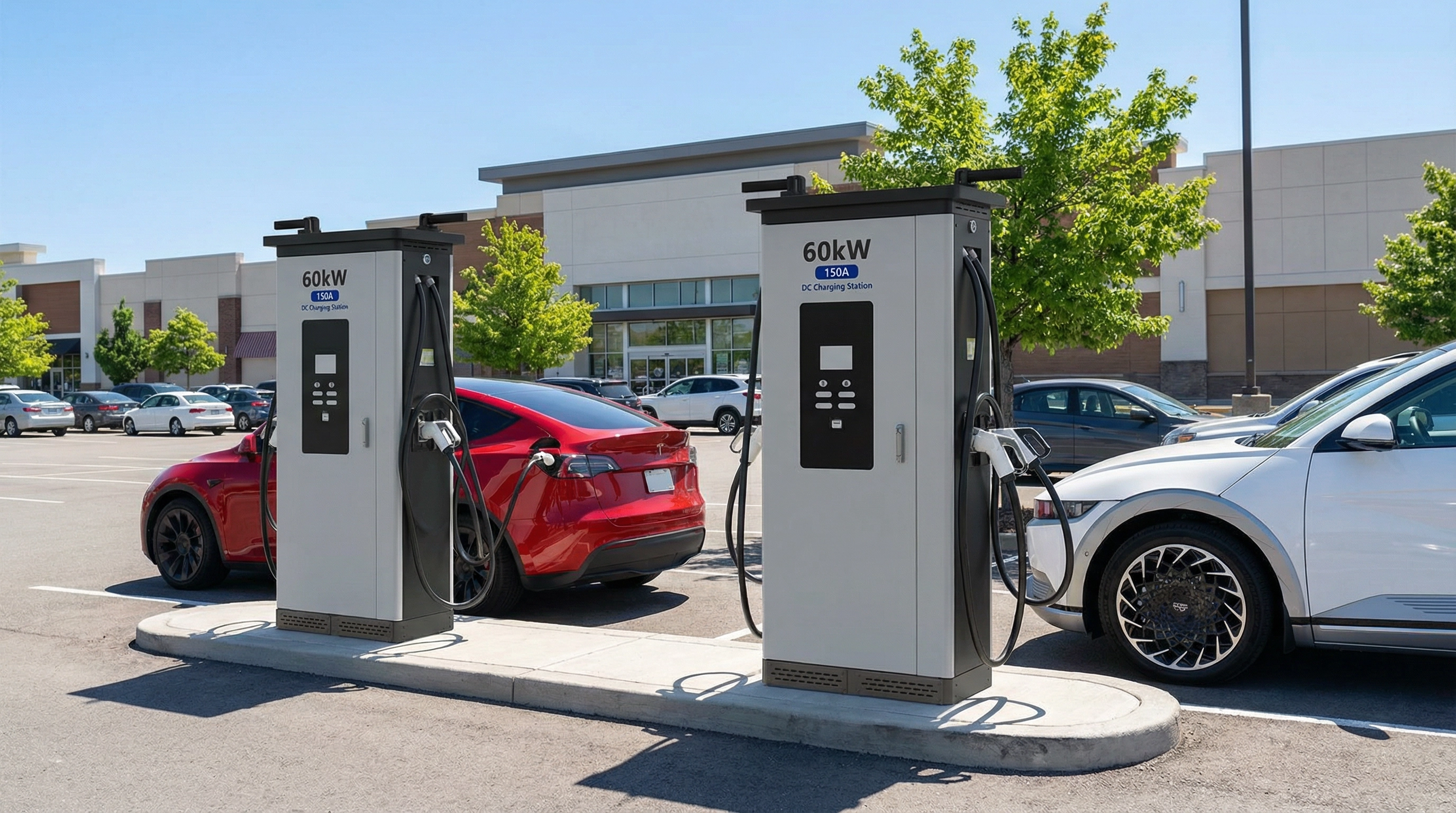
OCPP and CPO integration allows commercial charging networks to connect chargers, backend platforms, payment systems, and energy services through standardized communication. OCPP 2.0.1 supports advanced functions such as device management, smart charging, and security features, while CPO platforms manage thousands of charging points through cloud-based systems. A well-designed integration can reduce downtime, improve charger availability, and support large-scale EV charging operations.
The expansion of electric vehicle infrastructure has increased the demand for standardized charging communication. Global public charging points exceeded 4 million units in 2024, according to international energy reports, with commercial operators managing networks ranging from several hundred to more than 100,000 charging points.
A charging station without standardized communication requires separate software connections for each hardware supplier. This increases maintenance work and makes network expansion slower. OCPP provides a common communication method between charging equipment and the backend platform used by Charge Point Operators (CPOs).
OCPP allows chargers from different manufacturers to exchange operational data with the same management platform, reducing the need for custom integrations.
OCPP 1.6J remains widely used in existing commercial networks, while OCPP 2.0.1 introduces improved device management, security functions, and support for ISO 15118 communication. Many operators now operate mixed environments because replacing older chargers across a large network can require significant investment.
The relationship between OCPP and CPO platforms depends on a clear data exchange process. A charging station collects information from power modules, meters, and internal controllers, then sends this data to the CPO backend through secure communication channels.
Typical data exchanges include:
| Data Type | Purpose |
|---|---|
| Charger status | Shows available, occupied, or fault conditions |
| Meter values | Records electricity consumption during charging |
| Transaction data | Supports billing and customer records |
| Firmware information | Enables remote software updates |
| Diagnostic reports | Helps maintenance teams identify equipment issues |
A commercial charging platform may process millions of messages every day. For example, a network with 10,000 chargers reporting status information every 30 seconds can generate more than 28 million communication records within one day.
The quality of OCPP integration directly affects how efficiently operators manage charging assets. Real-time monitoring allows operators to identify unavailable chargers and reduce service interruptions.
Commercial charging networks often target charger availability rates above 95%, because a small increase in downtime can affect customer experience and station revenue.
CPO platforms usually provide remote management features instead of requiring technicians to visit every charging location. Operators can restart charging stations, update firmware, modify charging parameters, and collect diagnostic information remotely.
A typical CPO operation system includes several technical layers:
-
Charging equipment communication layer using OCPP;
-
Cloud backend for device management and data storage;
-
User service platform for applications and payment;
-
Energy management system for charging optimization;
-
Analytics platform for operational reporting.
The integration between these layers allows commercial networks to support different business models, including fleet charging, workplace charging, retail charging, and highway charging.
As networks grow, scalability becomes an important consideration. A small charging operator may manage hundreds of devices, while international charging companies often operate tens of thousands of stations across multiple countries.
Cloud-based CPO architectures commonly use distributed databases, message queues, and API services to handle large volumes of charging data. A properly designed system can maintain stable communication even when thousands of vehicles start charging within a short period.
Security has also become a major requirement for charging infrastructure. Charging stations are connected devices that exchange operational information through public communication networks. Weak security settings may expose charging equipment to unauthorized access.
OCPP 2.0.1 improves security compared with earlier versions by adding stronger authentication methods and better communication protection.
Important security practices include:
-
TLS-encrypted communication between chargers and backend systems;
-
Certificate-based charger authentication;
-
User permission management;
-
Regular software updates;
-
Network activity monitoring.
The charging industry is also moving toward smarter energy management. Commercial charging stations can create significant electricity demand when many vehicles charge at the same time. Smart charging functions in OCPP allow operators to adjust charging power according to electricity prices, grid conditions, and vehicle schedules.
For fleet operators, this function is especially useful. A depot with 500 electric vehicles may not need every vehicle to charge at maximum power immediately after arrival. The charging system can distribute available power across vehicles while meeting departure requirements.
Smart charging can help reduce peak electricity demand and improve the utilization of existing electrical infrastructure.
Integration planning is an important part of new charging projects. A detailed public charging deployment guide usually considers site conditions, electrical capacity, charger selection, software compatibility, and long-term operation requirements.
The hardware selection process should include OCPP compatibility checks before installation. Chargers supporting only limited protocol functions may create difficulties when operators later introduce features such as remote diagnostics or smart charging.
A commercial deployment assessment normally evaluates:
| Area | Evaluation Items |
|---|---|
| Electrical system | Available power capacity, transformer rating, load management |
| Charger hardware | Output power, connector type, OCPP version support |
| Software platform | API availability, billing integration, monitoring functions |
| Maintenance | Remote service capability and spare parts planning |
The connection between chargers and CPO systems also supports roaming services. Through platform integration, drivers can access charging stations operated by different companies without creating separate accounts for each network.
Roaming agreements are becoming more common in regions with expanding EV adoption. They require accurate communication between charging operators, mobility service providers, and payment platforms.
ISO 15118 integration represents another development direction. This communication standard enables advanced functions such as Plug & Charge authentication and vehicle-to-grid services.
When combined with OCPP, ISO 15118 allows vehicles and charging networks to exchange more detailed information. This creates opportunities for automated charging authorization and improved energy management.
Artificial intelligence is also being introduced into CPO platforms. Charging operators analyze historical charging records, electricity prices, weather information, and traffic patterns to improve network operation.
For example, predictive maintenance systems can analyze charger error records and identify equipment that may require service before a complete failure occurs. Large networks with thousands of chargers can use automated analysis to prioritize maintenance tasks.
The future of commercial charging networks will depend on the combination of open communication standards, reliable backend platforms, and efficient energy management. OCPP provides the communication foundation, while CPO platforms organize charging operations, customer services, and energy-related functions.
As EV adoption continues to grow, commercial operators will need systems that can support larger networks, multiple hardware suppliers, and advanced charging services. OCPP and CPO integration will remain an important part of building reliable public charging infrastructure worldwide.